
Applying Repeltec in rooms used by children
Where to treat, when to do it, how long to keep the room clear, and what to say to parents. Written for site managers and the contractors who work for them, as part of the site's pest management routine.
Draft wording, pending regulatory approval.
01
Where it applies
Schools and childcare sites call for the most conservative version of IPM: inspection, good housekeeping, proofing and monitoring first, and any treatment targeted, outside occupancy hours and recorded. Repeltec fits as a preventive surface layer on structural edges, not as a response to an active problem.
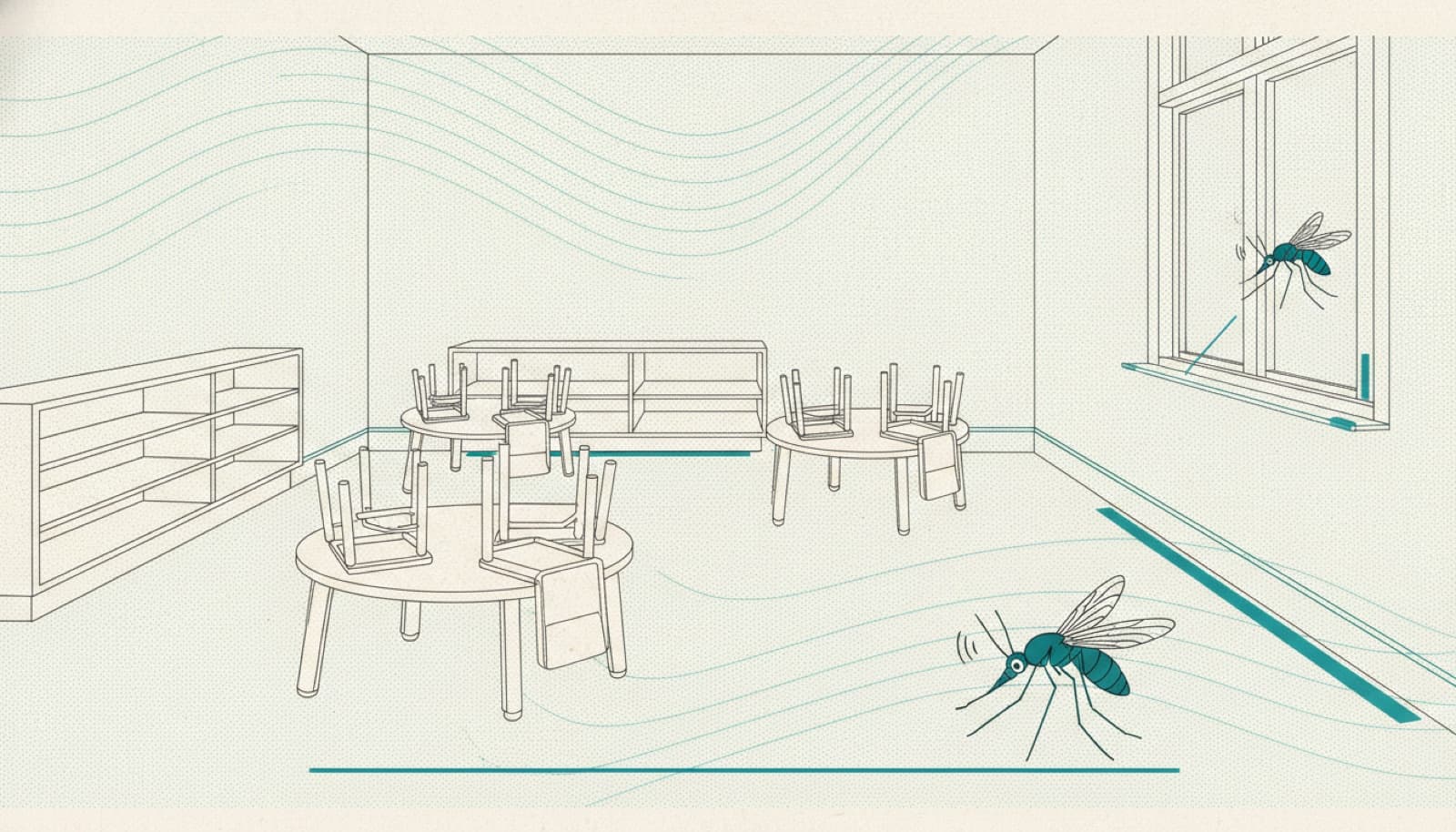
Where it goes: floor-wall junctions and skirting in playrooms, sleep rooms, corridors and kitchens; window sills, door thresholds and frames; under and behind fixed furniture and storage; bin areas and dry goods storage.
Not on toys, not on the sleeping surface of cots and mattresses, not on any surface children put in their mouths, and never on skin. Not on tables, worktops or anything children handle. For food contact surfaces, follow the label and the site's food procedure.
It does not replace the pest control contract, the monitoring or the repairs a contractor recommends.
02
Preparation
Schedule outside occupancy hours. Tell the site manager which rooms are being treated and when they can be used again. Check for signs of activity and report them. Clear the edges to be treated, clean and let them dry; a clean surface is what the coating bonds to. Ventilate the room. Wear the protective equipment the safety data sheet specifies.
03
Application
A thin, even layer along the edge or frame, from a trigger sprayer or a compression sprayer. Do not saturate; pooling wastes product and lengthens drying. Overlap passes slightly so there are no gaps along the route. Treat cracks and crevices deliberately; they are where the problem lives.
Tested surfaces you will meet here: laminate, plywood, carpet, ceramic tiles and glass. Painted walls and vinyl floors are outside the tested list: spot test and record it.
04
Drying and re-entry
Keep the room clear until treated surfaces are fully dry. Ventilate during drying. Do not let children back in before the surfaces are dry and the room has been aired.
05
Reapplication
Reapply at the interval on the label. Sooner on surfaces that are cleaned often or handled a lot, and after wet cleaning of treated edges.
Keep a simple treatment calendar per room, and plan the treatment for holidays and weekends where you can.
06
Records to keep
Date, rooms and surfaces treated, product and batch number, who applied it, and when the room was released. Keep the current safety data sheet and label on site where the site manager can find them, and the record with the pest control file.
Do not say
What not to claim to the end customer
Do not describe the product as safe for children, non-toxic or harmless.
Say what it is: a repellent applied to surfaces outside occupancy hours, dried and aired before re-entry, with the safety data sheet available on request. Parents respond better to a clear procedure than to a reassurance.
Use biocides safely. Always read the label and product information before use.